
Tinnitus symptoms and causes
Discover the causes, symptoms, and available treatment options for tinnitus, and how it's connected to hearing loss
Tinnitus is a constant or intermittent ringing sound heard in your ears or head. It does not have an outside source and in 95% of cases, only the individual can hear the sound.
An estimated 37% of adult Canadians reported experiencing tinnitus. Tinnitus is more common in men than women, though women report tinnitus to be more bothersome.
It is normal to feel upset or anxious when you experience tinnitus. About 7% of Canadians with tinnitus said it negatively affected their sleep, concentration and mood. It can be unsettling and disruptive.
If this sounds like you, take a tinnitus assessment near you. A professional can assess your tinnitus and provide treatment options.
What are the symptoms of tinnitus?
Tinnitus is a symptom in itself. It is associated with a number of ailments, such as hearing loss or a medication side effect.
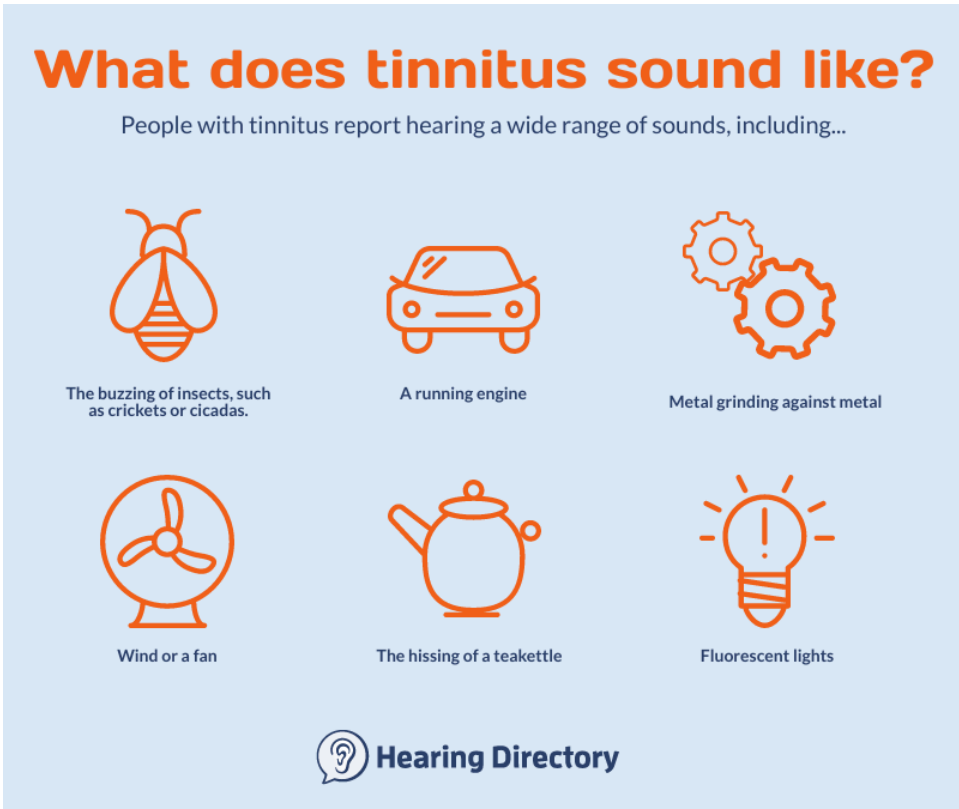
People often describe tinnitus as a hissing, buzzing, ringing, roaring or rushing sound. Others report sounds like insects droning or engines running. Many people notice it more at night, or when there are no other sounds around to distract them.
The severity of tinnitus varies from person to person. Some may find it mildly annoying while for others it may interfere with work or daily activities.
Common misconceptions about tinnitus
It's important to know that the sound from tinnitus is NOT imagined. In fact, in about 5% of cases, the sound of tinnitus is actually audible to a person's hearing care provider during an ear exam. This is known as objective tinnitus.
Here are some other misconceptions:
Tinnitus is a disease – Tinnitus is NOT a disease. It is a symptom of a malfunction somewhere in the hearing system.
Tinnitus is a symptom of aging – Although tinnitus and hearing loss are often present at the same time, the percentage of Canadians with tinnitus is similar across age groups. In fact, due to the use of personal listening devices, there is an increase in tinnitus reports in younger populations.
What causes tinnitus?
The exact physiological mechanism of tinnitus is not known. Research has shown there are several possible tinnitus causes or triggers:
Noise trauma – Repeated exposure to loud noise is a common cause of tinnitus. Sounds from chainsaws, firearms, or heavy equipment can have a permanent impact. Even a single loud event can trigger the sound. Loud music, either in a concert setting or through personal headphones, can also be a trigger. The onset of tinnitus may be sudden or gradual and is often the first indicator of overexposure to noise. Tinnitus is more common in men because they tend to engage in loud activities more than women.
Hearing loss – Hearing loss and tinnitus often occur together. But not all tinnitus patients have hearing loss, and vice versa. Tinnitus can occur with any type of hearing loss. Changes in tinnitus and hearing loss tend to occur independently.
Meniere's disease – This inner ear disorder causes dizziness, tinnitus and hearing loss.
Health problems – Tinnitus is linked to many conditions, including high blood pressure, arthritis, heart disease, thyroid disease, diabetes, dental disorders, depression and fibromyalgia.
Head or neck injury – Concussions, skull fractures, or whiplash increase your tinnitus risk. Temporomandibular joint disorder (TMJ) can as well.
Medications – Some medications are ototoxic, meaning they can cause damage to the hearing organ itself. Other medications produce tinnitus as a side effect. This may subside after a person stops taking the drug. Over 500 prescription and over-the-counter drugs list tinnitus as a possible side effect, including:
Antibiotics
Pain killers
Cancer drugs
Diuretics – like Furosemide
How is tinnitus diagnosed and evaluated?
Tinnitus can be diagnosed by an audiologist at a hearing clinic. Your audiologist will conduct a full hearing assessment. This assessment includes a physical examination of the ear and a hearing test.
The hearing assessment is painless and many hearing clinics offer free hearing tests and assessments for adults. You do not need a referral to see an audiologist in Canada.
Tinnitus and hearing loss: Understanding the connection
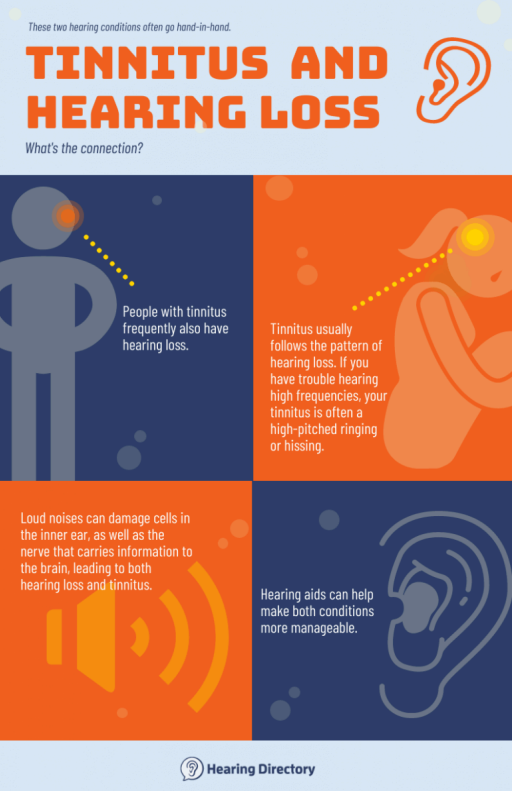
Damage to the inner ear can trigger both tinnitus and hearing loss. The combination of the two can reduce your quality of life more than hearing loss or tinnitus alone. In fact, those who have tinnitus and hearing loss are twice as likely to use hearing aids compared to those with hearing loss alone.
With tinnitus and hearing loss, not only are you struggling to hear with a malfunctioning ear, you are struggling to hear over an annoying ringing sound!
Cyclically, your stress response can worsen the tinnitus. As a result, tinnitus treatment often combines psychological and sound therapies to help you manage the ringing you hear and the way you feel about it.
Identifying tinnitus triggers
Certain behaviours or dietary habits can trigger, or worsen tinnitus. Caffeine, alcohol, high doses of aspirin and excessive salt can trigger tinnitus for some people. Noise exposure, smoke, stress or anxiety can as well.
How can people with tinnitus live a normal life?
There is no tinnitus cure, but many people with tinnitus live normal lives by avoiding triggers and getting the right tinnitus treatment.
Tinnitus treatment options may include:
Counselling from a hearing care provider
Sound therapy
Cognitive Behavioural Therapy (CBT)
Hearing aids or cochlear implants
When should you see a specialist for your tinnitus?
It's always a good idea to get your tinnitus evaluated by a hearing care professional. He or she may refer you to emergency care, or an otolaryngologist (an ear, nose, throat specialist). Reasons for this include:
Pulsatile tinnitus (tinnitus that you hear in pulses, similar to a heartbeat)
Unilateral tinnitus (one-sided)
Ear pain and drainage
Dizziness/balance issues
Physical trauma
Facial palsy (paralysis)
Sudden hearing loss
If you have tinnitus and any of these symptoms, seek immediate medical attention.
How to get help for tinnitus relief
Hearing Directory lists a growing number of trusted hearing clinics to make hearing care more accessible for Canadians. Find a hearing professional near you to get started today.
Written by
Cara Jelinek
Aud (C), Reg. CASLPO, Audiologist andClinicManager
Aud (C), Reg. CASLPO, Audiologist and Clinic Manager Last updated on: February 21st, 2025